Coaching guides
How to start your first body transformation
Deciding to change your body is exciting, but the first few weeks are where most people come unstuck. They set a goal that is too vague, try to do everything at once, and quietly give up when the early enthusiasm fades. It does not have to go that way. A first transformation is far more about building the right habits than about doing anything extreme. Here is how to start in a way that actually sticks.
Set a realistic, specific goal
"Get in shape" is not a goal, it is a wish. Give yourself something concrete and honest: lose a certain amount of body fat over the next three months, build noticeable muscle in your legs and back over a year, or simply train four times a week for twelve weeks without missing. A specific goal tells you what to do this week, and a realistic timeframe protects you from quitting when your body does not transform overnight. Meaningful change is measured in months, not days.
Build a routine you can actually sustain
The temptation at the start is to overhaul your entire life at once: train every day, overhaul your diet, cut out everything you enjoy. It almost never lasts. Instead, build a routine that fits the life you actually have. Pick a training schedule you can hold on a busy week, make small nutrition changes you can live with, and let the habit become automatic before you add more. A sustainable routine you keep for a year beats a perfect one you abandon in a fortnight.
- Start with three or four training sessions a week and protect them like appointments.
- Change your nutrition gradually: get your protein up first, then tidy up the rest over time.
- Plan around your real schedule, not an idealised one, so life does not knock you off track.
- Prioritise sleep from the very beginning; it makes everything else easier and more effective.
Track with progress photos and body metrics
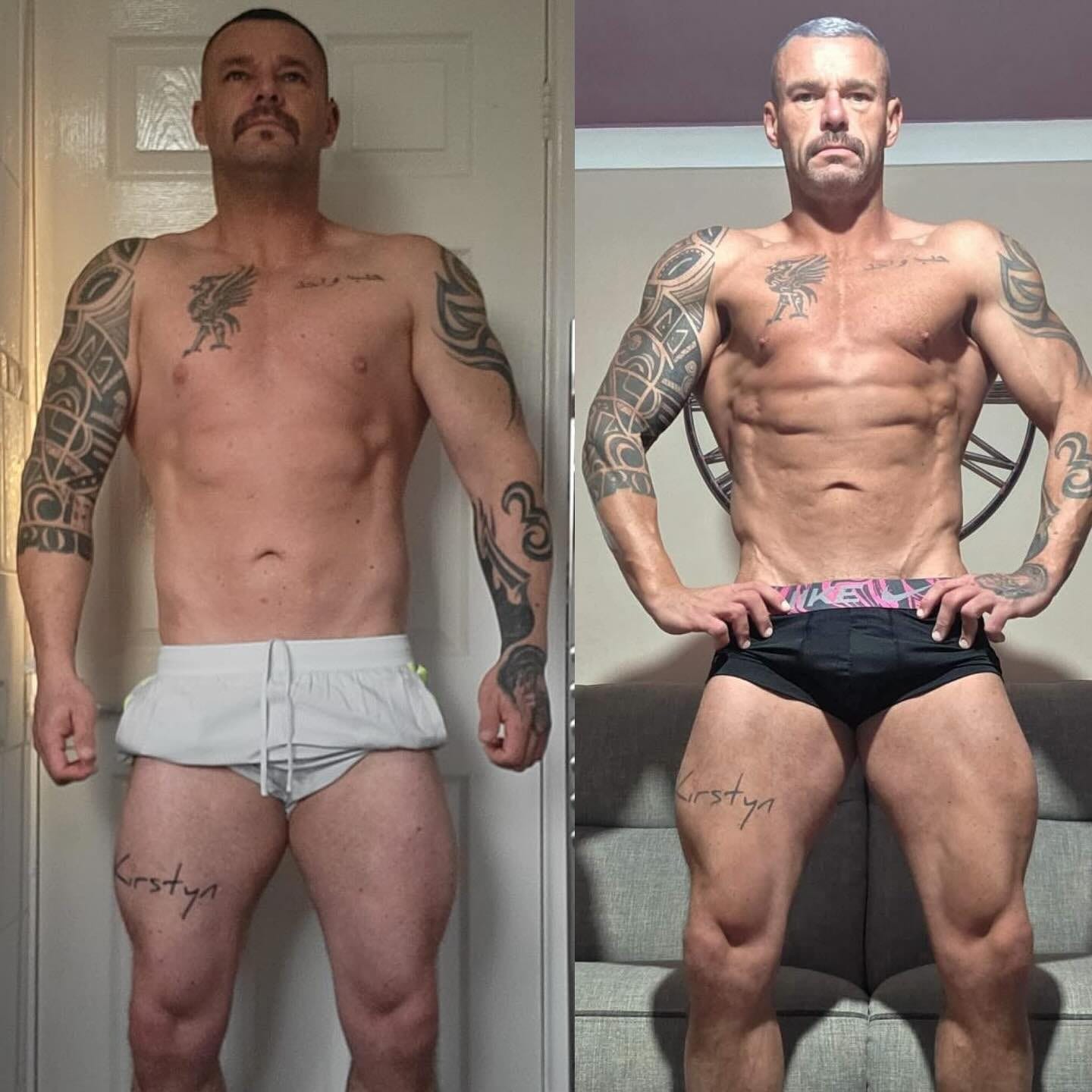
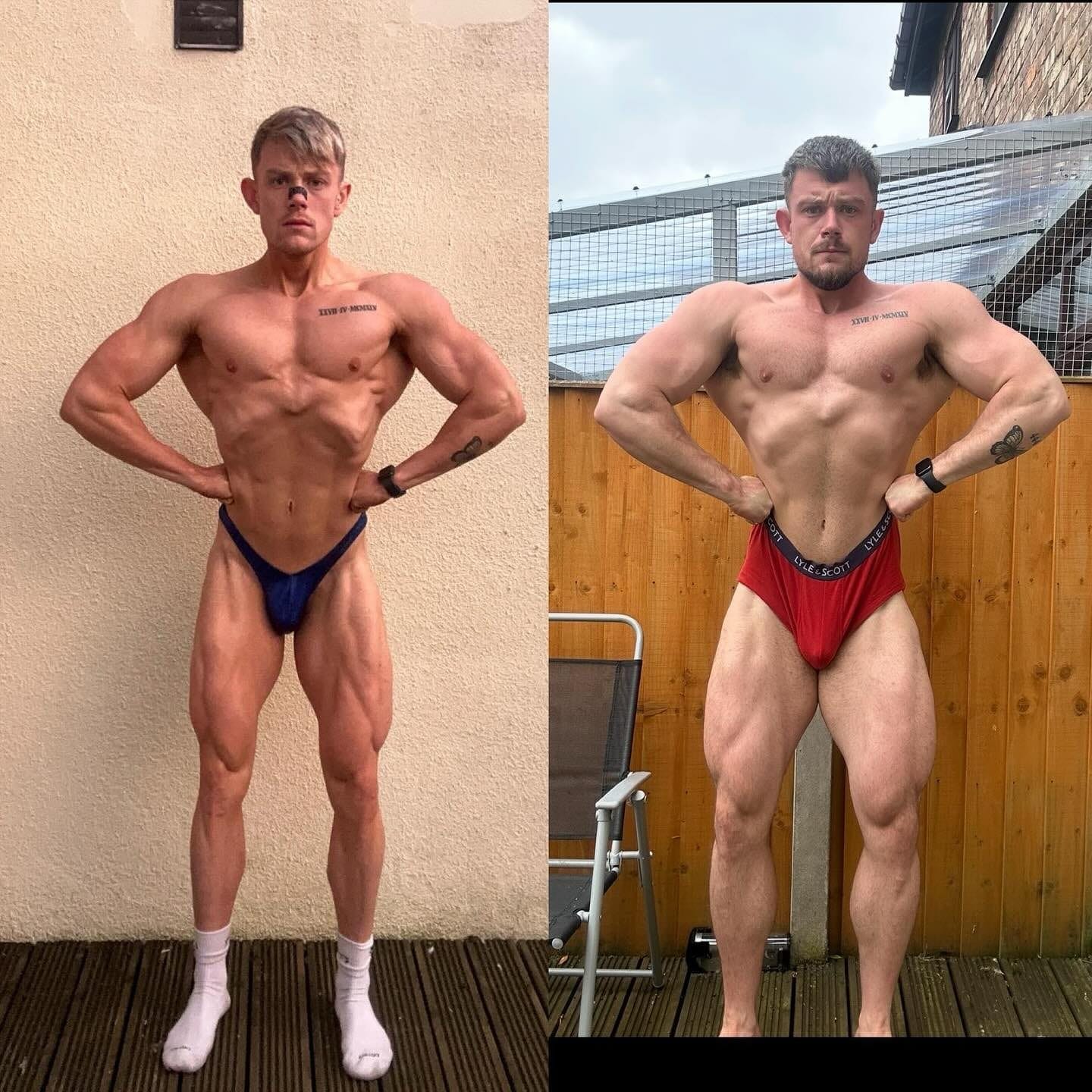
In the early weeks the scale is a liar. It swings with water, food, and sleep, and it hides real progress behind daily noise. The honest way to see change is to track it properly. Take progress photos in the same lighting and positions every week or two, record a few key body measurements, and log your strength in the gym. When you can look back over a month of photos and numbers, you see progress the mirror misses on any single day, and that evidence is what keeps you going.
Why online coaching helps so much
You can piece a plan together from the internet, but as a beginner you do not yet know what you do not know, and that is exactly where people waste months. Online coaching gives you a training and nutrition plan built around your goal, your schedule, and your starting point, rather than a generic template. Just as importantly, it takes the guesswork off your shoulders. You are not left wondering whether you are doing the right thing; someone experienced has already answered that for you.
Get a coach's eyes on your progress
The real value of a coach shows up over time. Through weekly check-ins, your progress photos, metrics, and feedback go to someone whose job is to read them properly and adjust your plan accordingly. Stalled for two weeks? They change something before you lose momentum. Form breaking down on a lift? They spot it in your videos and fix it. Being able to message your coach when life gets in the way turns a lonely solo project into a guided process, and that is the difference between drifting and steadily improving.
- Weekly check-ins keep you accountable and catch problems while they are still small.
- A trained eye on your photos and metrics spots progress, and plateaus, that you would miss.
- Direct messaging means questions get answered fast, so a bad week does not become a lost month.
- Your plan evolves as you do, instead of staying frozen while your body changes around it.
Your first transformation does not need to be complicated or punishing. Set an honest goal, build a routine you can keep, track your progress properly, and get experienced eyes on it so you are never guessing. Do that, and the results you have been picturing stop being a hope and start being a matter of time.