Coaching guides
The training principles that actually build muscle
There is an enormous amount of noise in the fitness world, and most of it is designed to sell you something. The truth is far less exciting: building muscle comes down to a small set of principles that have not changed in decades. Get these right and stay consistent, and your body will change. Chase every new trend instead, and you will spin your wheels for years. Here is what actually matters.
Progressive overload is the engine
Your muscles adapt to the demands you place on them. If you lift the same weights for the same reps forever, your body has no reason to change. Progressive overload simply means asking a little more of yourself over time: an extra rep, a slightly heavier load, a cleaner range of motion, or one more set. This gradual increase in demand is the single most important driver of muscle growth. Everything else supports it.
- Add a small amount of weight when you can complete all your reps with good form across every set.
- If the weight is not ready to go up, add a rep or two before increasing the load.
- Keep your form honest. Adding weight by turning a clean rep into a sloppy heave is not progress.
- Track your key lifts so you can see the trend. Progress you cannot measure is easy to imagine.
Consistency beats intensity
The best training programme is the one you will actually follow for months and years, not the hardest one you can survive for two weeks. Three or four solid sessions a week, done reliably, will transform your body over time. A brutal seven-day-a-week plan that burns you out in a fortnight will not. Motivation comes and goes; a routine that fits your real life is what carries you through the days you do not feel like training.
Recovery and sleep are when you actually grow
You do not build muscle in the gym. Training is the stimulus; the growth happens while you recover. If you train hard but sleep badly and never take a rest day, you are constantly breaking your body down without giving it the chance to rebuild stronger. Aim for seven to nine hours of sleep a night, take rest days seriously, and manage the stress in the rest of your life. Recovery is not the reward for training, it is part of it.
Nutrition: protein and calories do the heavy lifting
You can train perfectly and still stall if your nutrition is not supporting your goal. You do not need a complicated diet, but you do need to get two things right. First, eat enough protein: roughly 1.6 to 2.2 grams per kilogram of bodyweight per day gives your muscles the raw material to repair and grow. Second, match your total calories to your goal. To build muscle you need a modest surplus; to lose fat while holding onto muscle you need a modest deficit with protein kept high.
- Anchor each meal around a solid protein source so you hit your daily target without thinking hard about it.
- Eat mostly whole, minimally processed foods; they keep you fuller and make hitting your targets easier.
- Do not swing to extremes. Tiny deficits and surpluses, held consistently, beat crash diets and force-feeding.
- Stay hydrated and keep some carbohydrate around your training so your sessions have real energy behind them.
Track progress so you know what is working
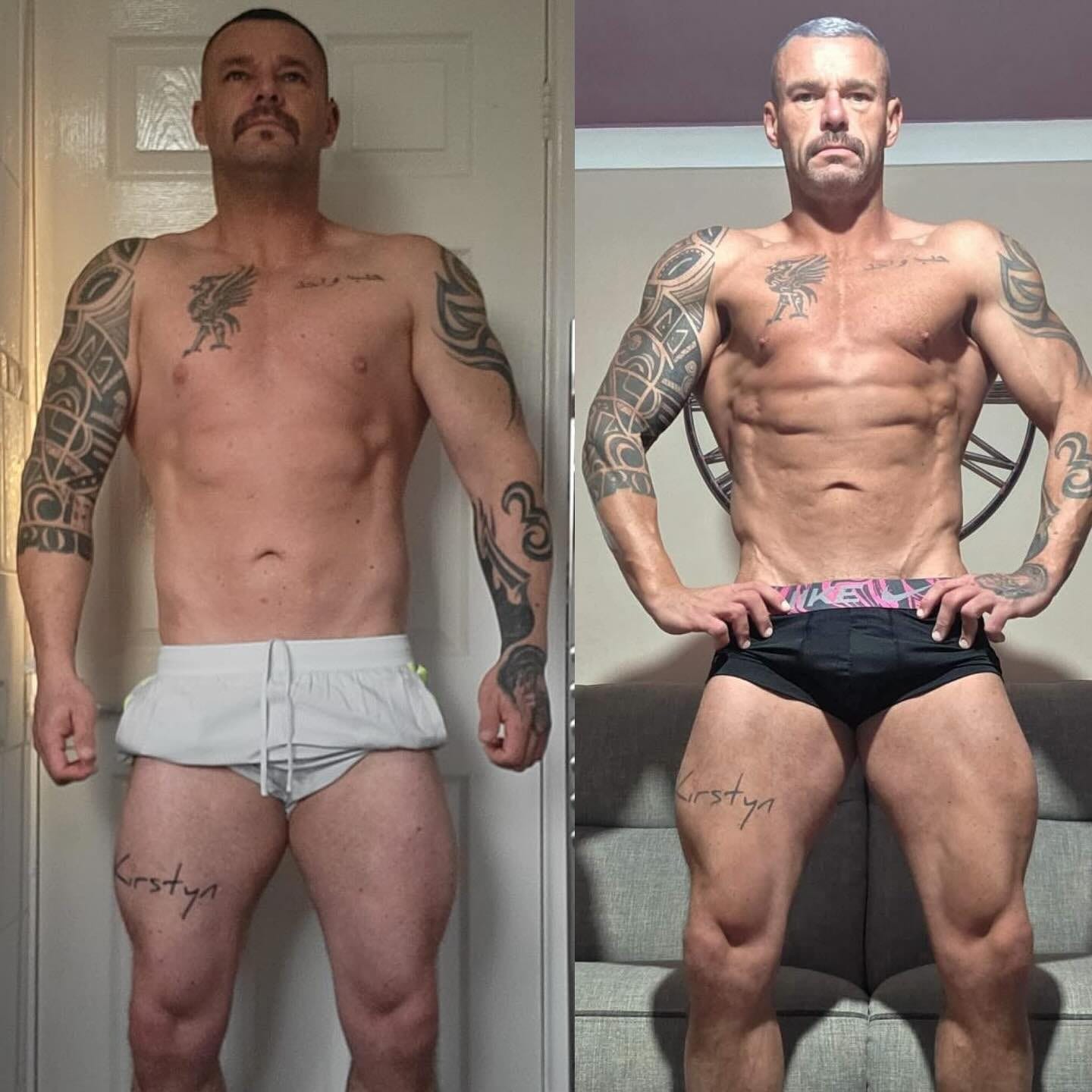
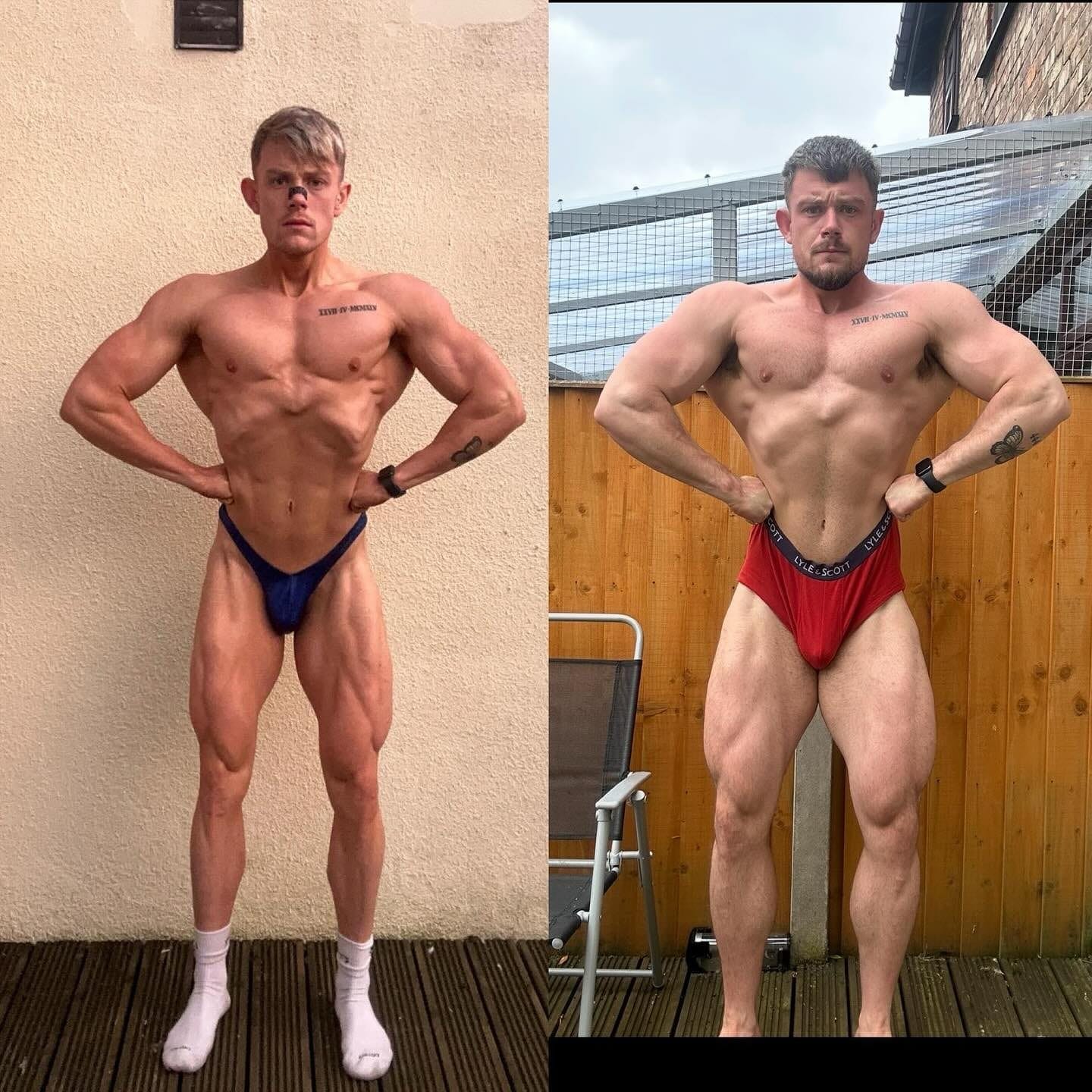
Your bodyweight on the scale bounces around daily and tells you very little on its own. To know whether you are actually moving in the right direction, track a few honest measures over time: progress photos in the same lighting and angles, key body measurements, your strength on the main lifts, and how you look and feel week to week. When you can see the trend clearly, you can make calm, informed adjustments instead of panicking or guessing.
None of this is complicated, but doing it consistently for long enough is genuinely hard, which is why most people never see the results they are capable of. Ask a little more of yourself over time, show up reliably, recover properly, eat to support your goal, and keep an honest eye on the numbers. Do that for months rather than days, and the changes take care of themselves.